
CPAP therapy is considered the gold-standard treatment for the 25+ million Americans who suffer from sleep apnea1, but unfortunately, CPAP equipment can be a breeding ground for bacteria.
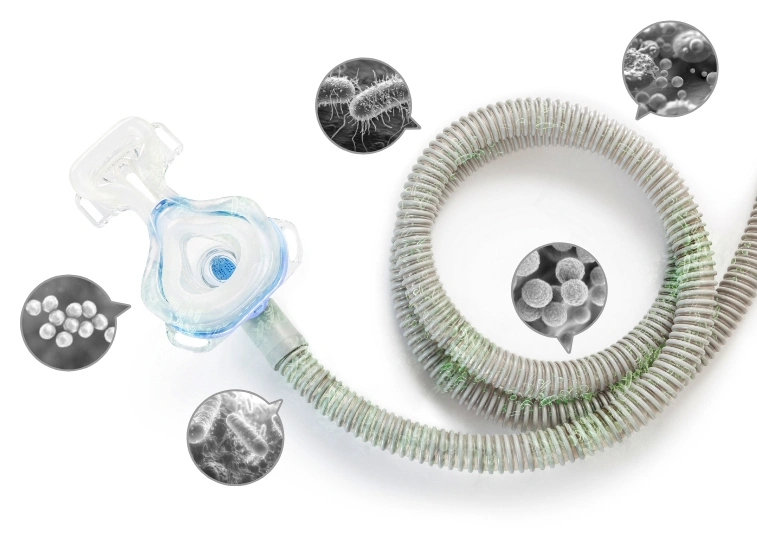
For individuals who find that they are feeling sick more than usual, dirty CPAP equipment could be a contributing factor. Potentially harmful bacteria are everywhere – and they thrive in warm, moist environments like CPAP hoses and masks. Placing a dirty CPAP mask directly on the face allows these bacteria to enter the body through the nose and mouth, making the CPAP user susceptible to infectious diseases.
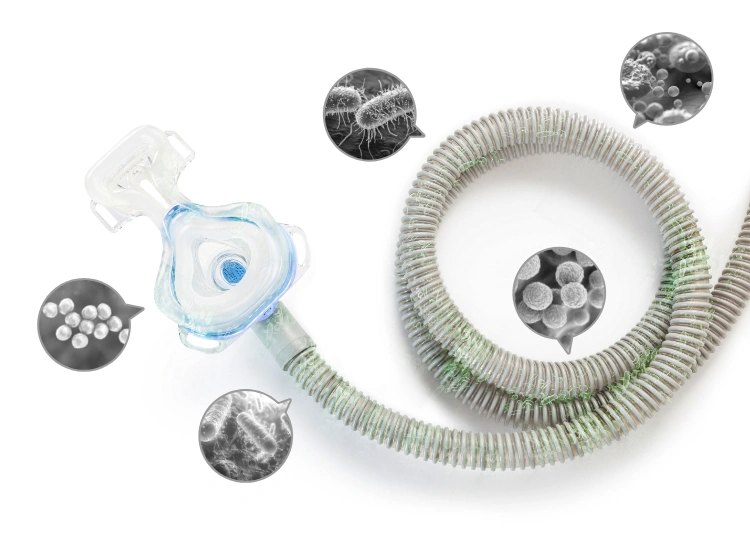
A recent article published in January 2025 highlights the risks associated with dirty CPAP equipment, linking a clinical case of Pseudomonas pneumonia to an inadequately cleaned CPAP mask.2
This is one of the reasons why CPAP manufacturers recommend cleaning CPAP equipment regularly. Potentially harmful bacteria aren't going anywhere on their own, so it's up to CPAP users to take on the responsibility of reducing them. While soap and water provide a basic level of cleaning, studies suggest they may not be sufficient for thorough bacterial reduction – particularly in hard-to-reach areas of the CPAP hose and mask where bacteria can accumulate.
Sickness Risk
A study published in the Canadian Medical Association Journal sheds some light on the link between sleep apnea, CPAP therapy, and pneumonia — a potentially deadly respiratory infection that affects the lungs. The conclusion? Adults with sleep apnea have a 20% increased risk of being diagnosed with pneumonia than those in a control group and CPAP therapy bumps that risk up to 32%, due in part to poor CPAP maintenance.3


But pneumonia isn’t the only illness. According to a study published in the Journal of Clinical Sleep Medicine, CPAP users have an 18% higher risk of getting infectious diseases like a cold or the flu than those who don’t use CPAP therapy.4
In a separate report, researchers from Brigham and Women’s Hospital and Harvard Medical School collected samples from CPAP masks and found 2,000+ bacteria counts evident on 48% of the units after just 48 hours.5 This report concludes by stressing the importance of regular and effective cleaning.
Cleaning Methods
Now that we’ve established the importance of clean CPAP equipment, let’s look at some recommended and effective methods†.
CPAP Wipes
There are wipes that are specifically designed for cleaning and deodorizing CPAP masks and accessories. By regularly using these wipes, the idea is that CPAP users can effectively reduce the buildup of bacteria, grease and oils. In an article published in the American Journal of Infection Control, researchers studied seven different detergent wipes to determine their ability to remove and transfer pathogens.6 They found that while the wipes were variably effective in removing pathogens, all seven of them “repeatedly transferred bacteria and spores onto multiple surfaces,” thus demonstrating the potential limitations of this cleaning method.
Soap and Water
This process typically consists of taking CPAP equipment apart and washing each piece with warm, soapy water, then rinsing with warm water and letting the equipment air-dry. Lingering moisture can attract bacteria, so it’s important to allow plenty of time for CPAP equipment to dry thoroughly.
Vinegar and Water
A solution of vinegar and water can be used to clean out the water reservoir on a weekly or monthly basis. Users should let the reservoir soak for 20-30 minutes, then rinse it out thoroughly and let it dry. It’s worth noting that vinegar produces an odor that can irritate sinuses, so proper rinsing is important.
Bacterial Reduction Device
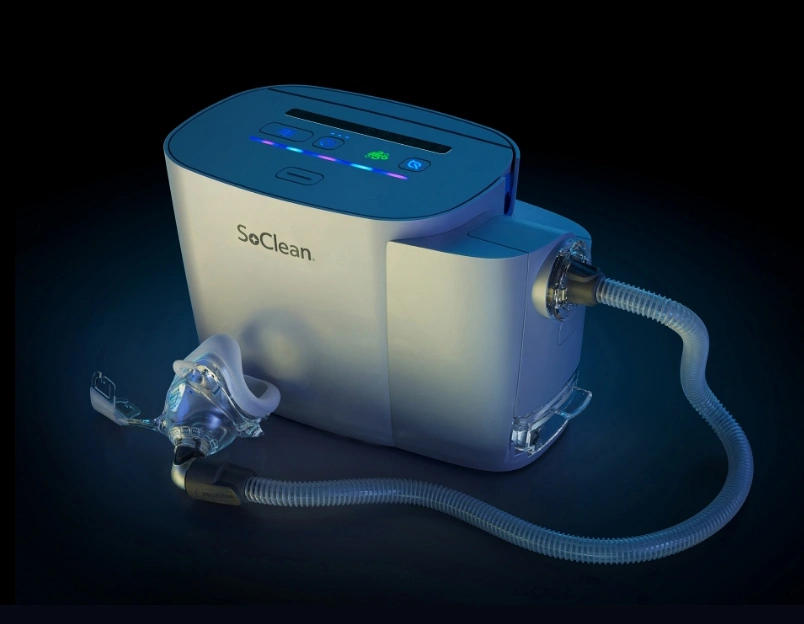
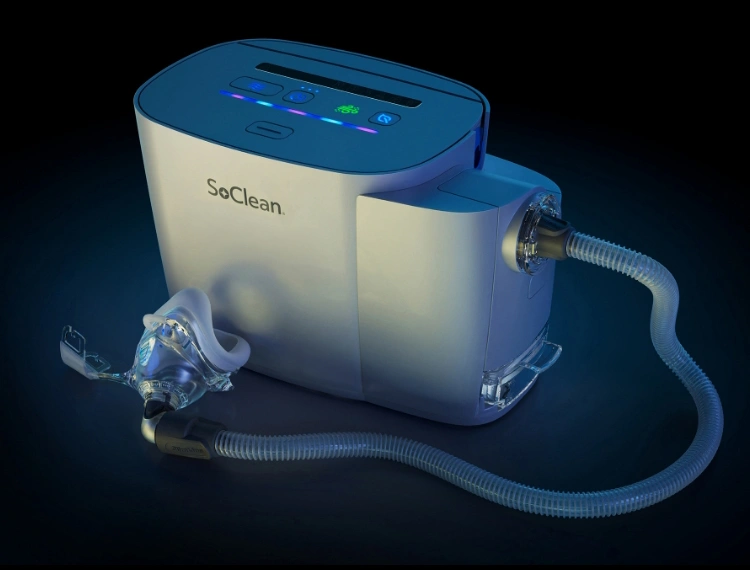
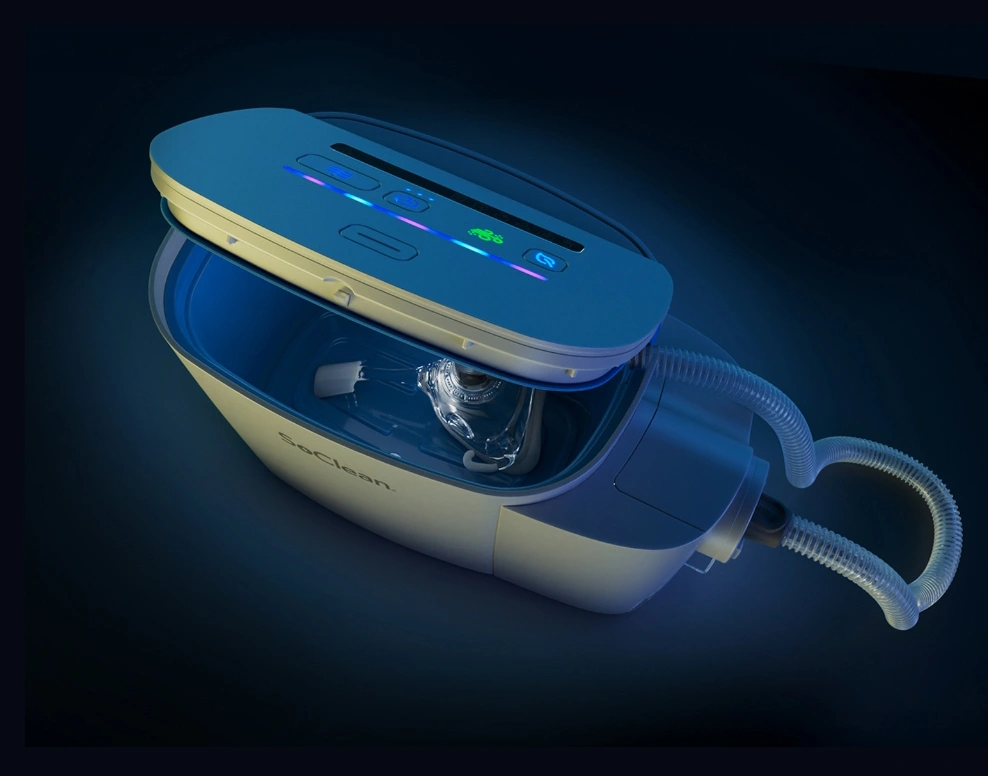
In a recent article, the FDA notes that an add-on device may augment your regular CPAP accessory cleaning process, ensuring bacterial reduction is accomplished, but it’s important that the device you use is FDA-cleared.7 SoClean 3+ is the first and only FDA-cleared8 device for bacterial* reduction on CPAP hoses and masks.**
Ozone Science
Beyond CPAP care, Ozone plays a vital role in protecting Earth from the Sun’s ultraviolet radiation9. It’s also widely used in industries where high standards of cleanliness are critical, including healthcare, food processing, water purification, and hospitality.

Ozone is one of the most effective, bacterial reduction compounds of all earth’s elements, and it’s been proven to reduce many types of bacteria in water, air, and on surfaces. Here’s some of the science behind how it works according to Ozone Solutions:9
“Ozone interferes with the metabolism of bacterium-cells, most likely through inhibiting and blocking the operation of the enzymatic control system. A sufficient amount of ozone breaks through the cell membrane, and this leads to the destruction of the bacteria […] Ozone destroys bacteria by diffusing through the protein coat into the nucleic acid core, resulting in damage of the viral RNA. At higher concentrations, ozone destroys the capsid, or exterior protein shell by oxidation so DNA (deoxyribonucleic acid), or RNA (ribonucleic acid) structures of the microorganism are affected.”

But in everyday terms how does it work? Let’s discuss the process as it relates to activated oxygen. When two oxygen atoms join, that is the oxygen (O2) we breathe every day. When energy is applied to O2, the molecules break apart and re-organize into an activated O3 molecule (ozone).10
During oxidation, a single atomic oxygen disconnects and attacks, reducing potentially harmful bacteria.11 Next, the ozone transforms back into regular oxygen, completing an eco-friendly, naturally recycled process.12
This activated oxygen cycle is the process that SoClean 3+ uses. Ozone has been shown to be safe and effective in reducing dozens of bacteria, including Staphylococcus aureus, Klebsiella aerogenes, Staphylococcus haemolyticus, Escherichia coli, Staphylococcus hominis, Klebsiella pneumoniae, Pseudomonas aeruginosa, and Streptococcus pyogenes after a complete processing cycle.*

SoClean 3+ Stands Alone, Engineered to Address What Standard Cleaning Can Miss
The FDA recognizes that bacteria can persist in CPAP hoses and masks—and established a category for devices designed to reduce microbial contamination. SoClean 3+ is the only FDA-cleared device in this category.8

That's why microbial reduction isn't optional—it's essential for peace of mind.
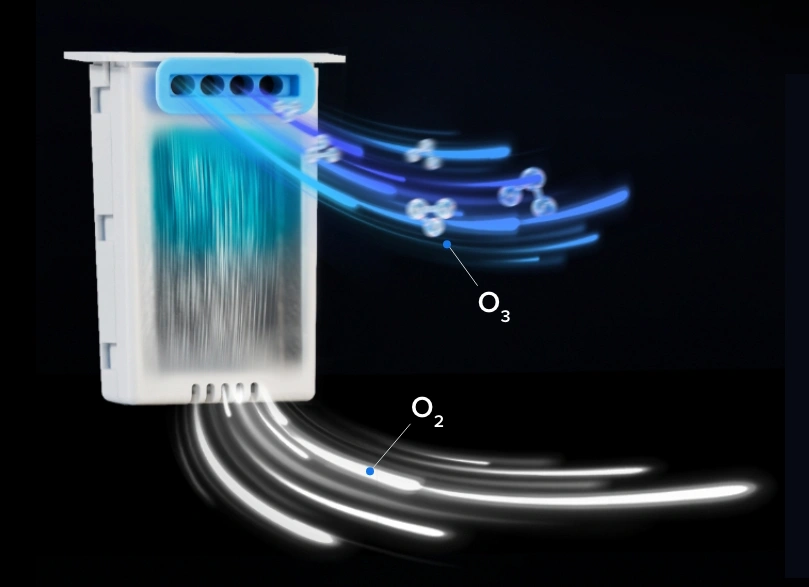
SoClean 3+ generates an Ozone Stream for bacterial reduction within a closed system. At the end of a cycle, the Ozone passes through a conversion system, called the Filter, that actively accelerates the transformation of ozone (O3) into breathable oxygen (O2).
Summary
Don't let Your CPAP Become the Problem
CPAP therapy is meant to improve your health—not introduce unnecessary risk. Bacteria can build quickly in CPAP accessories, and maintaining them consistently is essential to your routine.
Trusted by Over 2.3 Million CPAP Users
More than 2.3 million users trust SoClean 3+ to support their CPAP accessory care—helping ensure their equipment is fresh and ready for use each night. As the only FDA-cleared device of its kind*, SoClean 3+ delivers a simple, reliable way to support your existing cleaning routine with consistent bacterial reduction—reaching areas that are often difficult to maintain.
CPAP accessory care shouldn’t be complicated—or uncertain. That’s the philosophy behind SoClean 3+.


Pay over time with SoClean Easy Pay
Monthly payments made easy!

Shop now! Add your favorite SoClean products to your cart.

Choose SoClean Easy Pay as your payment method at checkout.

Pay over time. It's that easy!
One down payment today + 3 payments in the future.
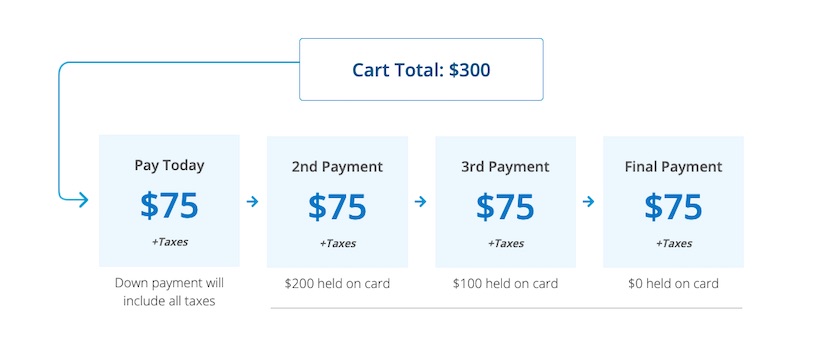
At the time of purchase, you will be charged a down payment equal to ¼ of your pre-tax cart total and any applicable sales tax. For the next three consecutive months, you will be charged an additional ¼ of your pre-tax cart total. See full terms and conditions for additional details.
Easy Pay will not charge you interest or fees. Other potential interest, fees and/or charges may apply from your card issuer.
To be eligible for SoClean Easy Pay, you must own a VISA or MasterCard, American Express, Discover, or JCB credit card.