


Nature's Cleanser, Reimagined for CPAP Care
The same compound trusted in industries that demand extreme cleanliness is now designed for home use with SoClean 3+.


Trusted World-Class Innovation
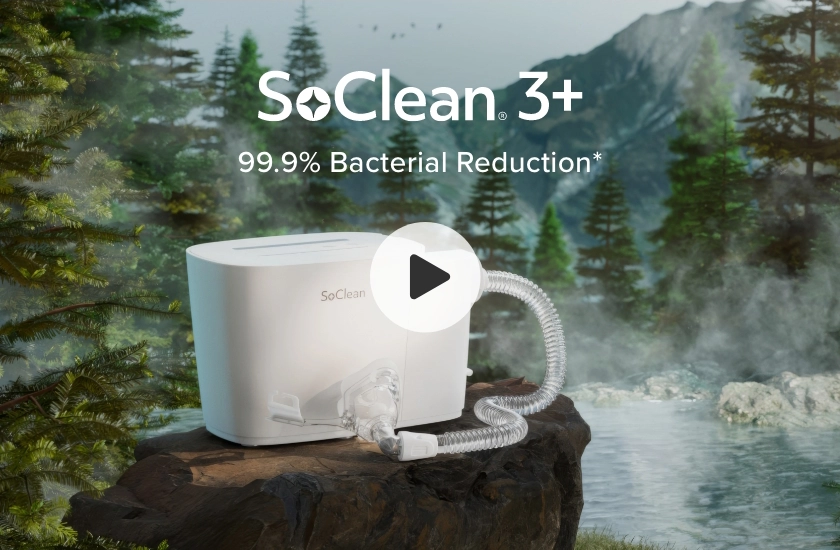
Watch how the SoClean 3+ patented design moves Ozone Stream through your CPAP hose and mask, targeting bacteria that linger in even the hardest-to-reach parts.
Ozone Facts
Ozone is a gas made up of three oxygen atoms (O3). It exists in two main parts of Earth's atmosphere: the stratosphere and near the ground. In the stratosphere, ozone forms a layer that protects life on Earth by absorbing harmful ultraviolet (UV) rays from the Sun. Without this ozone layer, harmful UV radiation would cause serious health problems, such as skin cancer and cataracts.
Near or on Earth’s ground, ozone is used in various industries such as water treatment, air purification, and more because of its ability to reduce bacteria.*
Sources:
Ozone works primarily through its powerful oxidizing properties. When ozone (O3) comes into contact with contaminants like bacteria or viruses, it oxidizes them. This process involves the ozone molecule breaking apart and transferring an oxygen atom to the contaminants, altering their structure and rendering them harmless.
In the atmosphere, ozone absorbs ultraviolet (UV) radiation, protecting living organisms from its harmful effects. It undergoes a cycle of breaking down and reforming, constantly absorbing and scattering UV rays, which is crucial for shielding life on Earth from radiation-induced damage.
Sources:
Ozone is safe when used appropriately, but its safety depends on a number of factors including the concentration and location in which it is present.
However, ozone has beneficial uses, particularly in bacterial reduction* in water treatment, air purification, and even in food industries, without leaving harmful residues. When used carefully in controlled environments and at proper concentrations, ozone is a safe and effective tool.
Sources:



Pay over time with SoClean Easy Pay
Monthly payments made easy!

Shop now! Add your favorite SoClean products to your cart.
Choose SoClean Easy Pay as your payment method at checkout.

Pay over time. It's that easy!
One down payment today + 3 payments in the future.
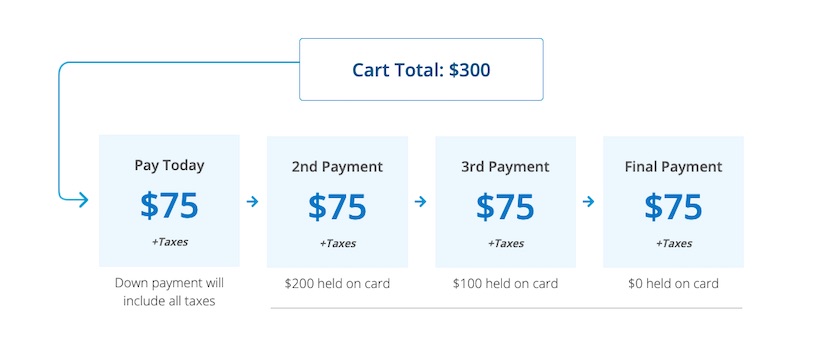
At the time of purchase, you will be charged a down payment equal to ¼ of your pre-tax cart total and any applicable sales tax. For the next three consecutive months, you will be charged an additional ¼ of your pre-tax cart total. See full terms and conditions for additional details.
Easy Pay will not charge you interest or fees. Other potential interest, fees and/or charges may apply from your card issuer.
To be eligible for SoClean Easy Pay, you must own a VISA or MasterCard, American Express, Discover, or JCB credit card.